
How Government Offices Can Serve More People Without Delays. Government offices provide essential services such as ID processing, permits, licensing, registrations, and …
Why Fast Food Businesses Should Modernize Their Ordering Process.
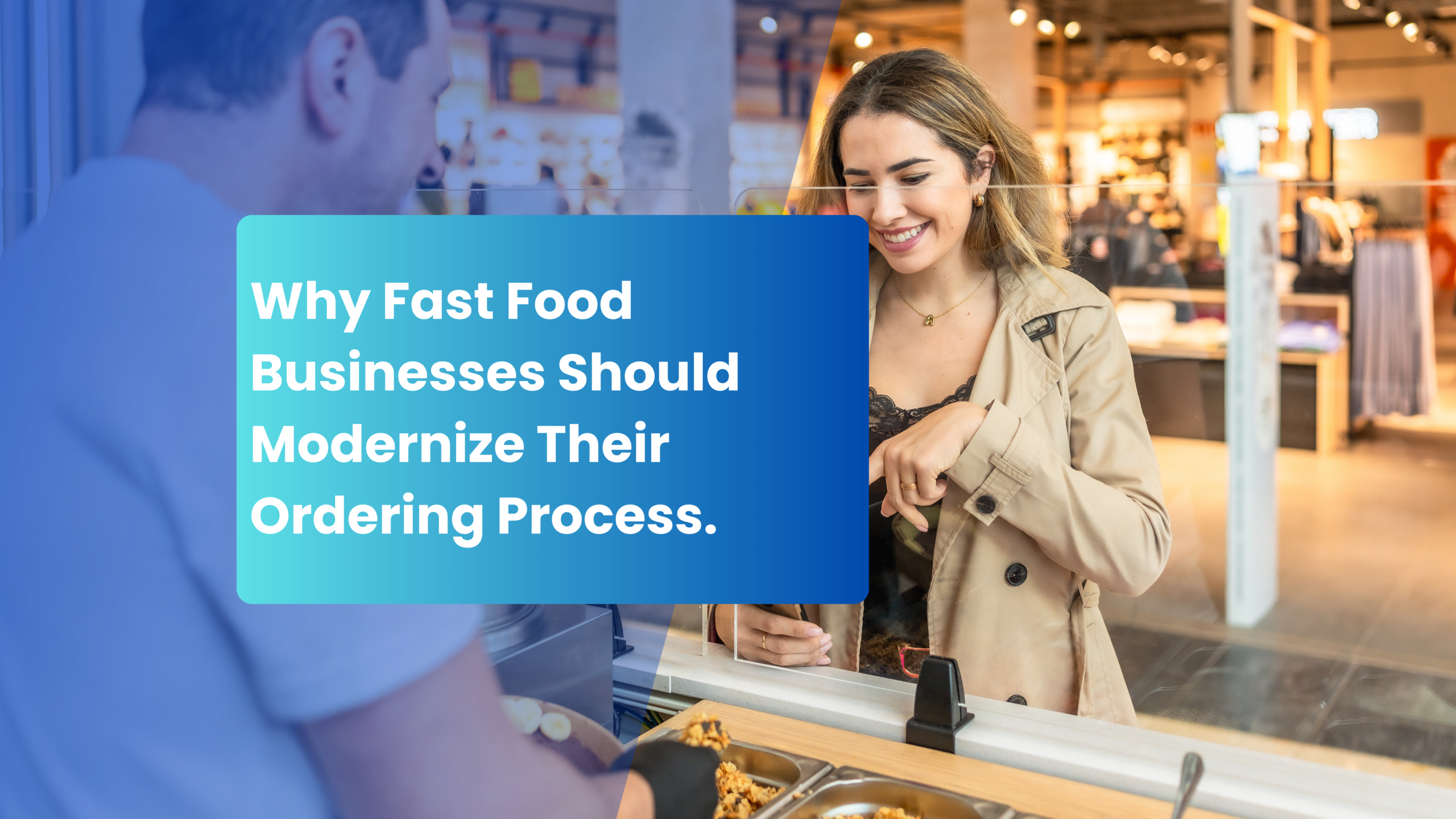
Fast food restaurants operate in a highly competitive and fast-paced environment where speed and efficiency are essential. Customers expect quick service, accurate orders, and a smooth ordering experience. However, traditional ordering methods can create long lines, slow service, and operational challenges during busy hours.
Modernizing the ordering process allows fast food businesses to improve efficiency, enhance customer satisfaction, and keep up with changing consumer expectations.
1. Reduce Long Waiting Lines.
One of the biggest challenges in fast food restaurants is long queues during peak hours. When many customers arrive at the same time, traditional ordering counters can become overcrowded.
By modernizing the ordering process through digital systems such as self-service kiosks, mobile ordering, and queue management systems, restaurants can serve customers faster and reduce waiting times.
2. Improve Order Accuracy.
Manual order taking can sometimes lead to mistakes, especially when staff are under pressure during busy periods. Digital ordering systems allow customers to input their orders directly, reducing communication errors. Clear digital order tracking helps ensure that each customer receives the correct order.
3. Increase Operational Efficiency.
Modern ordering technologies help streamline the workflow between the ordering counter and the kitchen. Orders are automatically sent to kitchen display systems, allowing staff to prepare meals more efficiently. This reduces confusion and speeds up food preparation.
4. Enhance Customer Experience.
Today’s customers value convenience and speed. Digital ordering options allow customers to choose how they want to order whether through kiosks, mobile apps, or traditional counters. Providing multiple ordering channels creates a more flexible and satisfying dining experience.
5. Manage High Customer Volume.
Fast food restaurants often experience large numbers of customers during lunch, dinner, and weekend rush hours. Modern systems help businesses handle these high volumes by organizing orders and managing customer flow more effectively. This ensures that the restaurant can continue operating smoothly even during peak times.
6. Provide Valuable Business Insights.
Digital ordering systems can generate useful data such as:
Peak ordering times
Popular menu items
Average order value
Customer preferences
These insights help restaurant managers make better decisions about staffing, menu design, and promotions.
Benefits of Modernizing the Ordering Process:
Fast food businesses that adopt modern ordering solutions can gain several advantages:
Faster Service – Customers receive their food more quickly.
Better Order Accuracy – Digital systems reduce ordering mistakes.
Improved Customer Satisfaction – Shorter wait times create a better dining experience.
Higher Staff Productivity – Staff can focus on food preparation instead of managing long lines.
Better Business Insights – Data helps improve operations and marketing strategies.
Conclusion
Modernizing the ordering process is essential for fast food businesses that want to stay competitive in today’s fast-moving market. By adopting digital ordering systems, queue management tools, and self-service technologies, restaurants can reduce waiting times, improve operational efficiency, and deliver a better experience for customers.
Investing in modern ordering solutions helps fast food businesses operate more smoothly while meeting the growing expectations of today’s customers.
Related Articles
Fixing Overcrowded Dental Clinics with Smart Queue Technology. Dental clinics often experience a steady flow of patients throughout the day, from routine …
Why Telecommunications Service Centers Need Queue Management Systems. Telecommunications service centers assist customers with a wide range of needs, including SIM registration, …