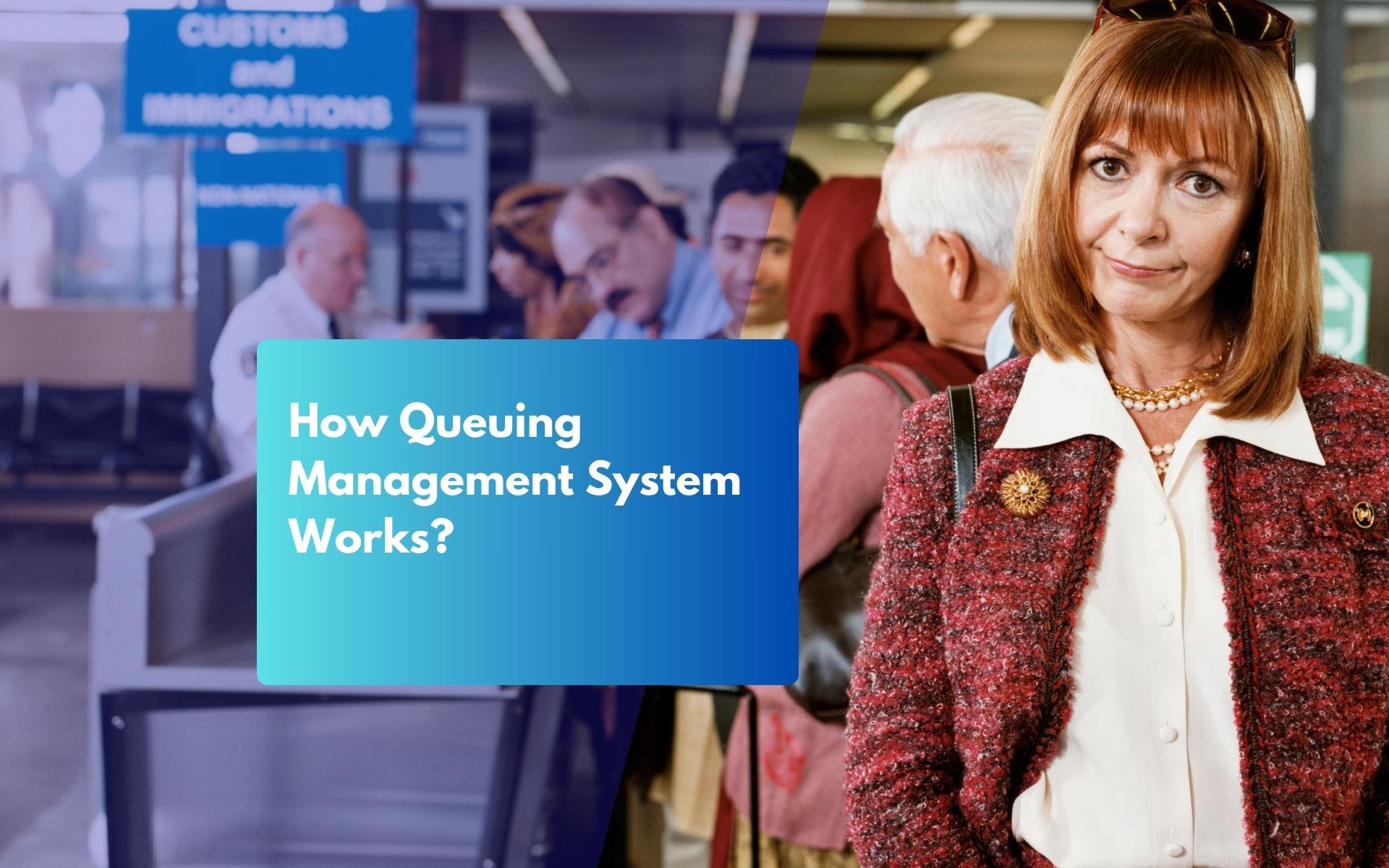
How Queuing Management System Works?

How Queuing Management System Works?

A queuing management system is designed to organize customer flow and ensure efficient service delivery. In customer-oriented environments, manual queues often result in confusion, unfair service order, and long waiting times. To address these issues, queuing management systems use digital tools to manage queues systematically and transparently.

1. Customer Registration and Queue Assignment.

The process begins when customers register through a digital kiosk, mobile device, or online platform. Once registered, the system assigns a unique queue number. This number determines the customer’s position in line and ensures that services are provided in an orderly, first-come, first-served manner.

2. Real-Time Queue Monitoring.

Queuing management systems continuously monitor queue status, including the number of waiting customers and available service counters. This real-time monitoring allows the system to regulate customer flow and prevent congestion during peak service hours.

3. Queue Display and Notifications.

Queue information is displayed through digital screens or sent via notifications such as SMS or mobile alerts. Customers can easily track their queue number and estimated waiting time, reducing uncertainty and improving the overall waiting experience.

4. Automated Service Calling.

When a service counter becomes available, the system automatically calls the next customer based on queue order. This eliminates favoritism and manual decision-making, ensuring fair and transparent service delivery for all customers.

5. Data Collection and Service Evaluation.

Throughout the queuing process, the system collects data such as waiting time, service duration, and customer volume. Organizations use this data to evaluate service performance, improve scheduling, and enhance operational efficiency.

Conclusion

A queuing management system works by combining digital registration, real-time monitoring, automated service calling, and data analysis to create an organized and efficient service process. By reducing manual handling and improving transparency, these systems help organizations deliver fair, accessible, and high-quality services. Ultimately, effective queue management leads to improved customer satisfaction and stronger service credibility.

Related Articles

The Smart Fix for Overcrowded Service Areas. Overcrowded service areas can quickly damage customer experience and staff efficiency. Long lines, noisy waiting …

The One Tool That Will Revolutionize Your Service Area. In today’s fast-moving world, customers expect speed, organization, and transparency the moment they …

Maximize Staff Productivity While Reducing Customer Waits. Efficiency is everything in a competitive service environment. Customers expect quick, seamless assistance, while businesses …