
How Government Offices Can Serve More People Without Delays. Government offices provide essential services such as ID processing, permits, licensing, registrations, and …
Modernizing Ferry Terminals Through Smart Queue Management.
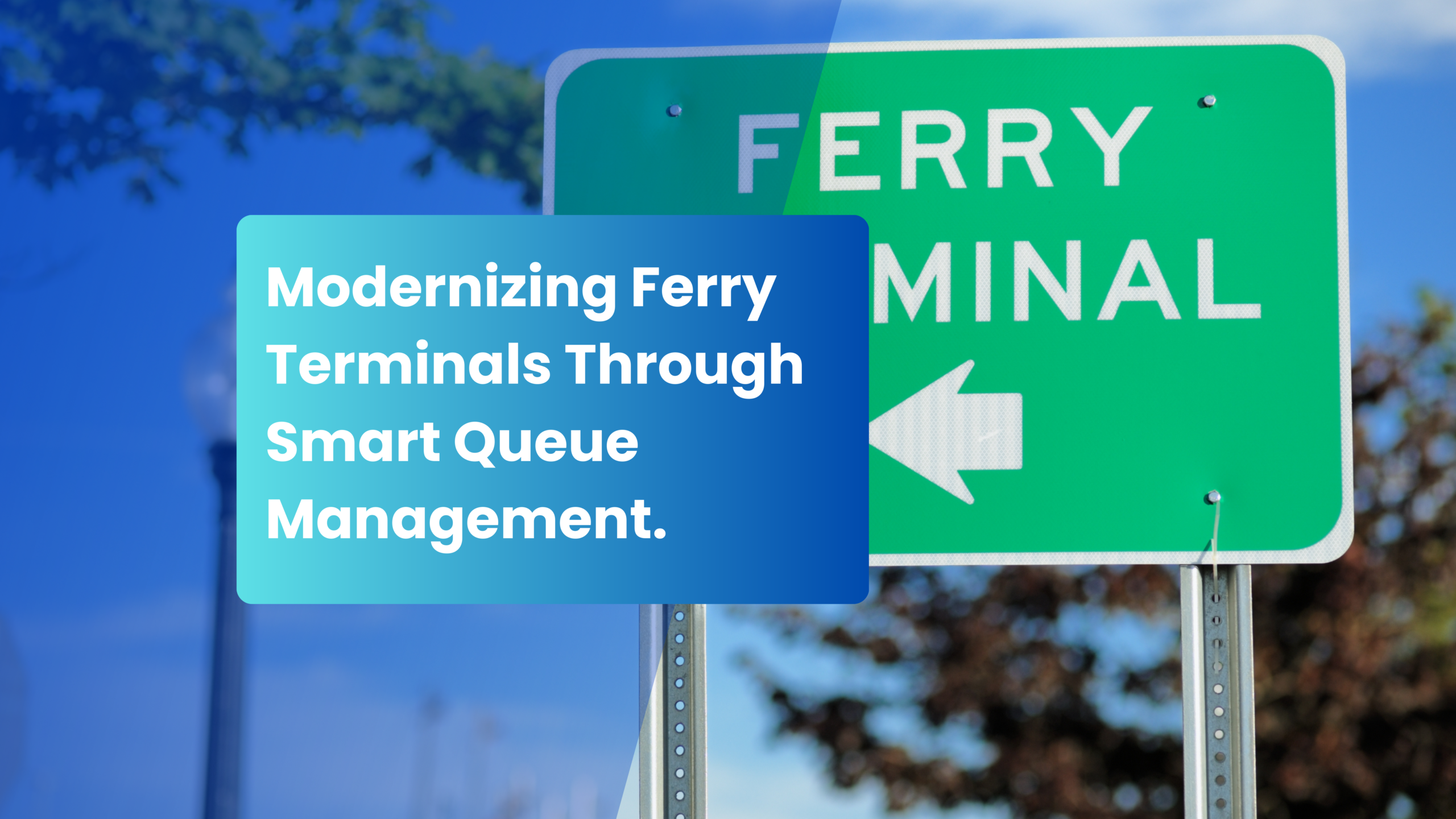
Ferry terminals play a vital role in connecting islands, coastal cities, and regional communities. As passenger demand continues to grow especially during holidays and peak travel seasons terminals must manage large crowds efficiently while maintaining safety and punctuality.
However, traditional queue systems often struggle to handle high passenger volumes. Long ticketing lines, overcrowded waiting areas, and disorganized boarding processes can negatively impact both operations and passenger experience. To address these challenges, many ferry terminals are turning to smart queue management systems as part of their modernization efforts.
The Limitations of Traditional Queue Systems.
Manual queue handling in ferry terminals can lead to several operational issues:
Congestion at ticket counters
Confusion about boarding sequence
Delayed departures
Increased stress for passengers and staff
Safety concerns during peak hours
In busy transportation hubs, inefficiency does not only affect convenience—it can disrupt entire travel schedules.
What Is Smart Queue Management?
A smart queue management system is a digital solution designed to organize passenger flow from ticketing to boarding. Instead of standing in long physical lines, passengers can:
Obtain a digital queue number from a kiosk
Select their destination or service type
View real-time queue updates on digital displays
Receive notifications when it is their turn
Monitor estimated waiting times
This technology introduces structure and predictability into the service process.
Key Benefits for Ferry Terminals:
1. Faster Ticketing and Processing
Digital routing ensures passengers are directed to the correct counters quickly, reducing confusion and speeding up transactions.
2. Organized and Systematic Boarding
Passengers are called in an orderly manner, minimizing crowding near boarding gates and improving overall flow.
3. Improved Safety and Crowd Control
By reducing physical congestion, terminals create safer environments—especially during peak travel periods.
4. Better Schedule Adherence
Efficient passenger handling helps vessels depart on time, supporting reliable operations and minimizing delays.
5. Data-Driven Decision Making
Queue systems provide valuable insights into peak hours, service times, and passenger volume. This data helps management optimize staffing and operational planning.
Supporting Transportation Modernization.
As transportation infrastructure evolves, ferry terminals must adopt digital solutions to remain competitive and efficient. Smart queue management is not just about reducing waiting time—it represents a broader commitment to modernization, safety, and service excellence.
By integrating technology into daily operations, ferry terminals can deliver smoother journeys that begin at the terminal—not just onboard the vessel.
Conclusion
Modernizing ferry terminals requires more than infrastructure upgrades; it demands smarter service management. Smart queue systems provide the structure, transparency, and efficiency needed to handle growing passenger demand.
Through organized ticketing, streamlined boarding, and real-time monitoring, ferry terminals can create safer, faster, and more reliable travel experiences for every passenger.
Related Articles

Fixing Overcrowded Dental Clinics with Smart Queue Technology. Dental clinics often experience a steady flow of patients throughout the day, from routine …
Why Telecommunications Service Centers Need Queue Management Systems. Telecommunications service centers assist customers with a wide range of needs, including SIM registration, …