
How Government Offices Can Serve More People Without Delays. Government offices provide essential services such as ID processing, permits, licensing, registrations, and …
Strengthening Community Services Through Smart Queue Management.
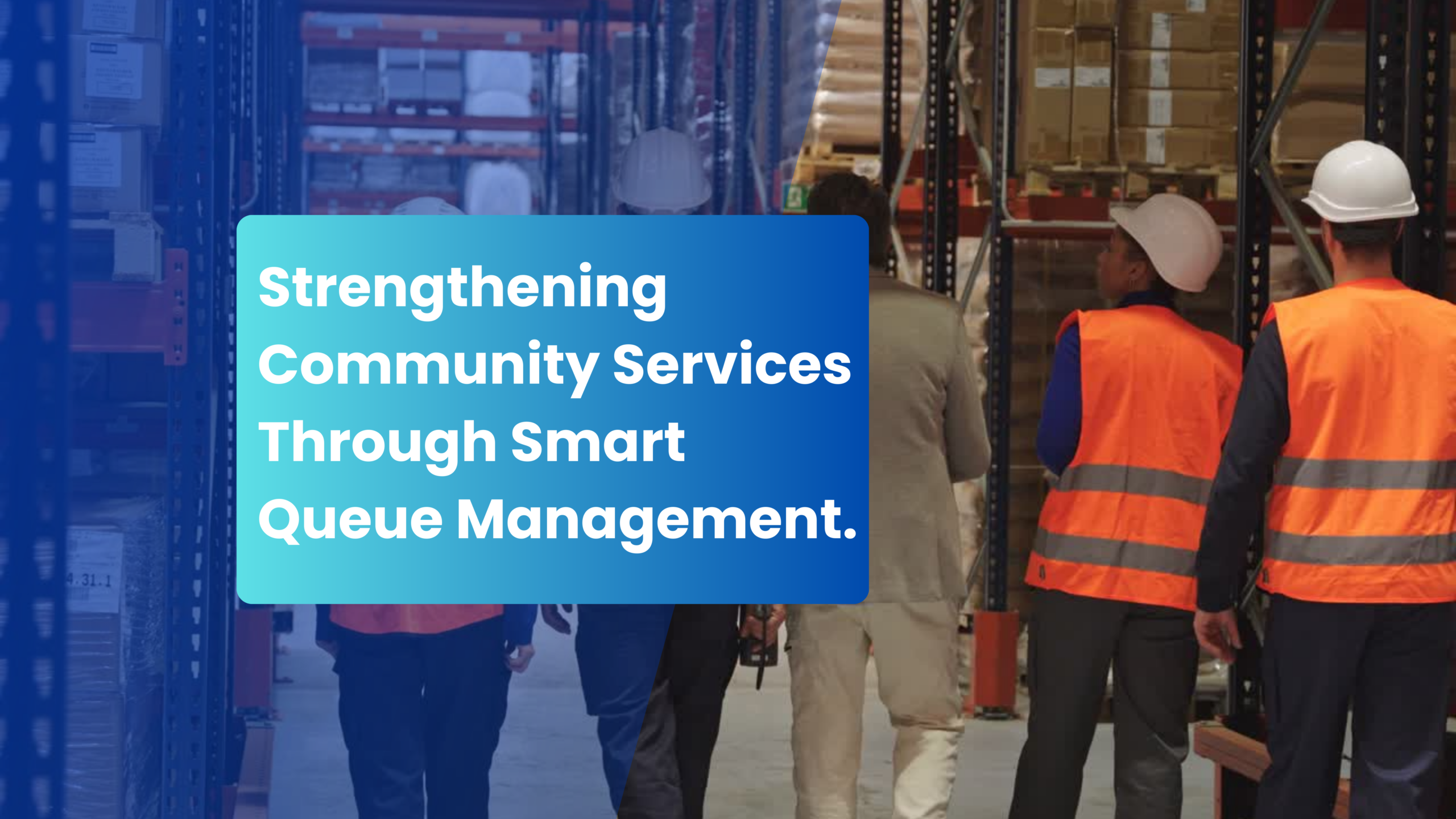
Non-Governmental Organizations (NGOs) play a crucial role in delivering essential services to communities. From distributing aid and providing healthcare assistance to processing scholarships and livelihood programs, NGOs often serve large numbers of beneficiaries—especially during outreach events and emergency responses.
However, high demand can quickly lead to overcrowding, long waiting times, and service inefficiencies. To ensure fair, organized, and transparent assistance delivery, many NGOs are now adopting smart queue management systems as part of their operational strategy.
Managing Community Services.
Community service programs often involve walk-in beneficiaries with varying needs. Without a structured system, NGOs may experience:
Long and unorganized waiting lines
Confusion about service order
Delays in aid distribution
Overcrowded service areas
Increased stress for staff and volunteers
In humanitarian settings, inefficiency can affect not only satisfaction but also trust and credibility within the community.
What Is Smart Queue Management?
A smart queue management system is a digital solution that organizes beneficiary flow in real time. Instead of standing in physical lines, individuals can:
Receive a digital queue number upon arrival
Select the type of assistance needed
Monitor real-time queue updates on display screens
Receive notifications when their turn is approaching
View estimated waiting times
This system introduces structure, fairness, and transparency into community service delivery.
Key Benefits for NGOs:
1. Fair and Transparent Service Distribution
Digital systems ensure beneficiaries are served in the correct sequence, reducing disputes and promoting equal access.
2. Improved Operational Efficiency
Automated routing directs individuals to the appropriate service desks, preventing bottlenecks and delays.
3. Better Crowd Management
Organized queuing minimizes congestion, creating safer and more comfortable service environments.
4. Enhanced Accountability
Queue data provides insights into service volume, processing time, and peak hours, helping NGOs evaluate performance and improve planning.
5. Strengthened Community Trust
Efficient and transparent processes build confidence among beneficiaries, reinforcing the organization’s credibility.
Supporting Sustainable and Impactful Operations.
As NGOs expand their programs, adopting digital tools becomes increasingly important. Smart queue systems support sustainable service delivery by improving workflow, reducing manual errors, and optimizing staff allocation.
By modernizing service management, NGOs can focus more on their mission—delivering meaningful impact to the communities they serve.
Conclusion
Strengthening community services requires more than compassion—it requires organization, transparency, and efficiency. Smart queue management systems provide NGOs with the structure needed to manage high demand while maintaining fairness and professionalism.
Through improved coordination and digital monitoring, NGOs can enhance service delivery, build stronger community relationships, and ensure that assistance reaches those who need it most.
Related Articles
Fixing Overcrowded Dental Clinics with Smart Queue Technology. Dental clinics often experience a steady flow of patients throughout the day, from routine …
Why Telecommunications Service Centers Need Queue Management Systems. Telecommunications service centers assist customers with a wide range of needs, including SIM registration, …