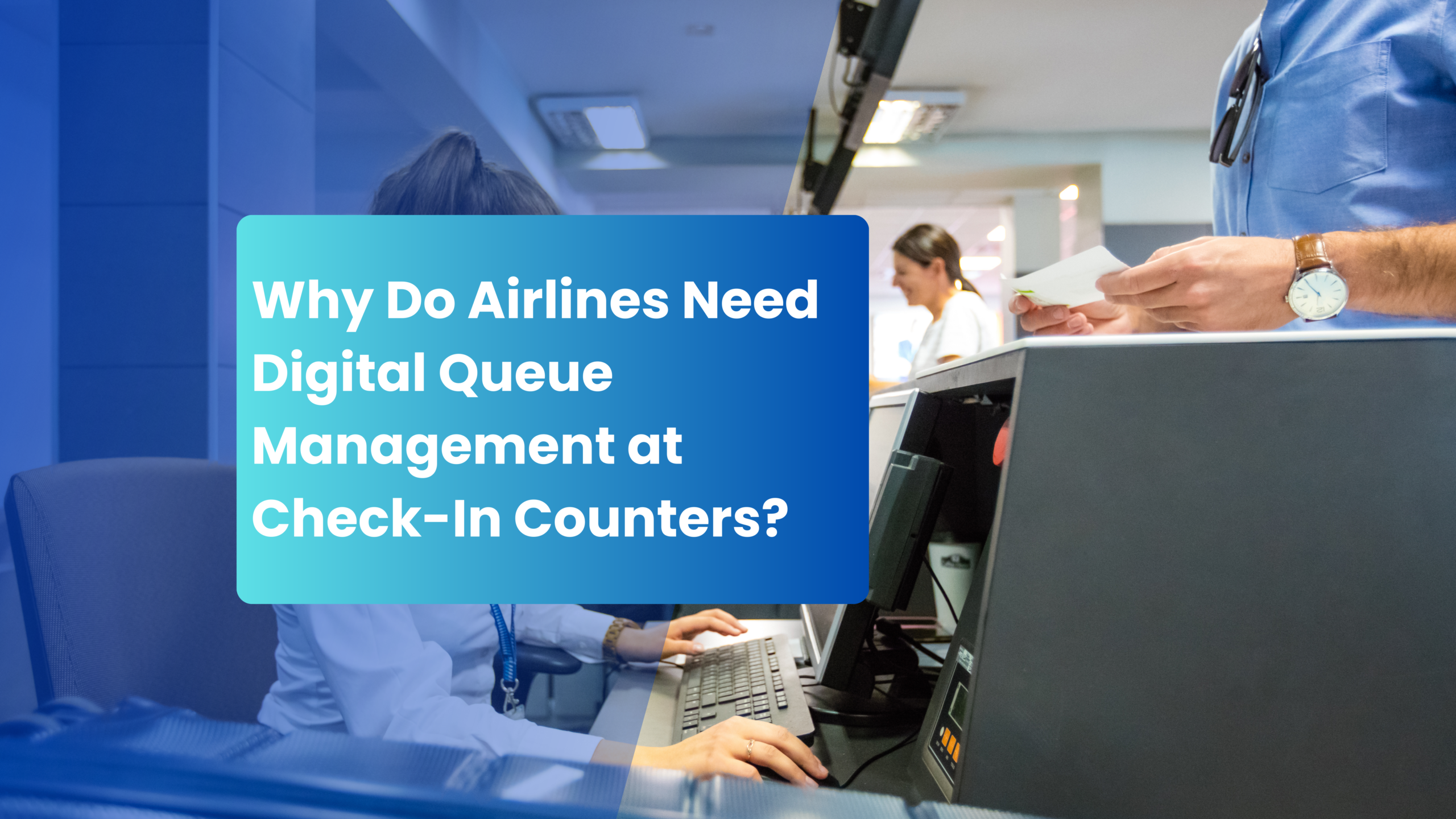
Why Do Airlines Need Digital Queue Management at Check-In Counters?

Airports are high-pressure environments where efficiency directly affects passenger satisfaction and airline performance. Long lines at check-in counters can quickly lead to delays, frustration, and missed flights.

This is why more airlines worldwide are adopting digital queue management systems like Lezline to streamline check-in operations and improve passenger experience
1. Reduce Long Lines and Passenger Frustration.

Traditional queues often create:

  • Confusion about order

  • Passengers cutting in line

  • Overcrowded check-in areas

A digital queue system assigns numbers or virtual tickets, ensuring a fair and organized process. Passengers feel more relaxed when they know their turn is secured.

2. Improve On-Time Departures.

Check-in delays can cause:

  • Late baggage drop

  • Boarding disruptions

  • Flight departure delays

With real-time queue monitoring, airlines can:

  • Open additional counters during peak hours

  • Prioritize passengers for flights nearing departure

  • Track average wait times

This directly supports better on-time performance.

3. Smart Passenger Segmentation.

Airlines manage different types of travelers:

  • Business Class

  • Economy Class

  • Priority Boarding

  • Senior Citizens and PWDs

  • Group Travelers

A digital system allows automatic routing to dedicated counters without manual intervention, ensuring smooth operations while maintaining fairness.

4. Support Self-Service and Digital Transformation.

Modern airports encourage:

  • Online check-in

  • Self-service kiosks

  • Mobile boarding passes

Queue systems can guide passengers to the correct service point and even send SMS notifications when their turn is near. This reduces physical crowding at counters.

5. Improve Staff Productivity and Data Insights.

Airlines gain access to:

  • Peak-hour reports

  • Agent performance data

  • Service time analytics

  • Bottleneck identification

This data-driven approach enables better workforce planning and operational efficiency.

6. Enhance Passenger Experience and Brand Image.

The check-in counter is often the first physical touchpoint between passengers and the airline. A smooth, organized process creates a positive first impression and strengthens brand trust.

7. Ensure Crowd Control and Safety.

Overcrowded areas can block walkways and create safety concerns. Digital queue systems allow controlled passenger flow and even virtual waiting options during peak travel seasons.

Conclusion

Digital queue management at airline check-in counters is no longer a luxury — it is a necessity in today’s fast-moving aviation industry. By reducing wait times, improving operational efficiency, and enhancing passenger experience, airlines can maintain on-time performance while strengthening their brand reputation.

For airports and airlines looking to modernize their check-in operations, implementing a smart queue management system like Lezline is a strategic step toward delivering faster, safer, and more organized passenger service.

Related Articles

What Is the Best Way to Manage Multiple Airline Check-In Counters? Managing multiple airline check-in counters efficiently is a major challenge for …

Why Do Airlines Need Digital Queue Management at Check-In Counters? Airports are high-pressure environments where efficiency directly affects passenger satisfaction and airline …

How Does an Airline Queue Management System Work? Airports handle thousands of passengers daily, and without proper organization, check-in counters and boarding …