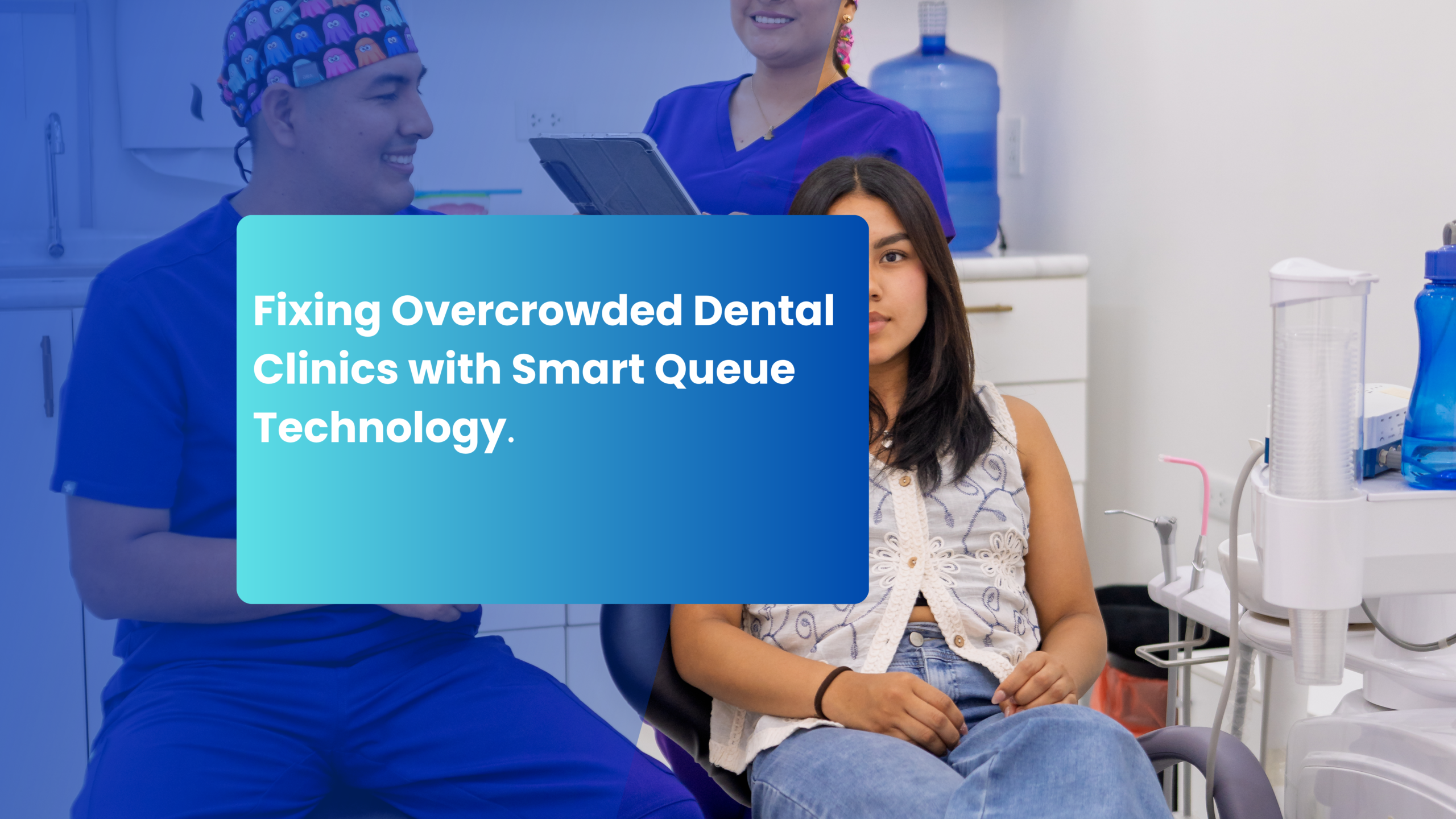
Why Transportation Hubs Need Digital Queue Systems.

Transportation hubs airports, bus terminals, seaports, and ride-hailing zones handle thousands of passengers and vehicles daily. Without proper organization, long queues, delays, and congestion are inevitable, impacting both efficiency and user experience. A Digital Queue System (DQS) brings structure and technology to manage passenger and vehicle flow effectively.

Key Benefits of a Digital Queue System for Transportation Hubs:

Reduced Waiting Time.

Digital queue systems display estimated wait times, issue tickets, and send notifications, keeping passengers informed and reducing idle waiting.

Improved Passenger Experience.

Structured queues and priority handling minimize confusion and frustration, creating a smoother and more organized journey for travelers.

Priority and Special Handling.

Not all transactions require the same amount of time. Dividing services into categories—such as quick requests and complex transactions helps prevent bottlenecks.

Dedicated counters for specific services ensure smoother movement and faster turnover.

Streamlined Traffic and Flow.

Vehicles and passengers are guided efficiently to the correct service counters, gates, or loading zones, preventing congestion and bottlenecks.

Real-Time Monitoring.

Operators can see queue lengths, lane availability, and passenger volumes live, allowing quick adjustments to maintain smooth operations.

Data-Driven Insights.

Systems record data on traffic patterns, peak times, and service durations, helping managers optimize staffing, scheduling, and infrastructure planning.

Integration with Other Systems.

A DQS can connect with ticketing platforms, boarding systems, fleet management software, and security checkpoints, ensuring a seamless, end-to-end operational ecosystem.

Conclusion

Digital Queue Systems are no longer a luxury they are essential for modern transportation hubs. By reducing waiting times, improving passenger experience, handling priority cases efficiently, and providing real-time operational visibility, these systems help facilities operate more safely, efficiently, and reliably.

Related Articles

How Government Offices Can Serve More People Without Delays. Government offices provide essential services such as ID processing, permits, licensing, registrations, and …
Fixing Overcrowded Dental Clinics with Smart Queue Technology. Dental clinics often experience a steady flow of patients throughout the day, from routine …
Why Telecommunications Service Centers Need Queue Management Systems. Telecommunications service centers assist customers with a wide range of needs, including SIM registration, …